Planning your first trip to Vietnam? The guide below will answer all your questions and help you prepare for a once-in-a-lifetime journey you’ll never forget! Vietnam is a destination that will captivate you with its unique balance between tradition and modern life. From lush green landscapes and stunning rice terraces to bustling cities and exotic beaches, the country offers an experience full of contrasts and authenticity.
In Vietnam, you’ll discover rich history, incredibly friendly and welcoming people, and one of the most delicious cuisines in the world. It’s an ideal destination for anyone seeking a truly special and unforgettable experience, as it offers a perfect blend of adventure, relaxation, and culture.
Visa for Vietnam
To visit Vietnam as a European traveler, you will need a visa, which you can easily obtain online (e-visa) before your trip for approximately €27. Always make sure to use official government websites for your visa application. You’ll receive it via email within 2–3 working days.
If you are traveling with an infant or young child, they will also need their own visa to enter the country.
Important: If you enter any personal information incorrectly, you will need to reapply and pay again.
Currency in Vietnam
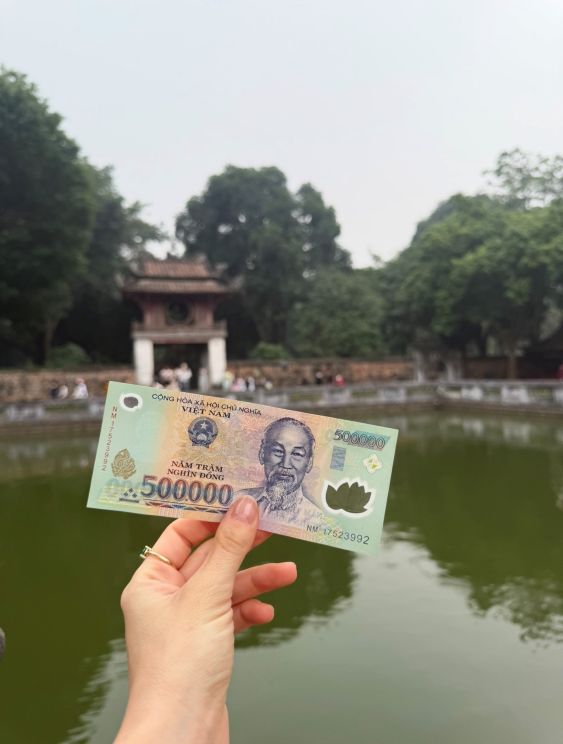
The local currency is the Vietnamese dong (VND), and prices are generally very low compared to Europe. You can usually pay by card in hotels, restaurants, and cafés, but you’ll definitely need cash for shopping, as bargaining is common. Honestly, you will shop, as Vietnam offers fantastic options. A local exchange office in the city center of your first destination is ideal for converting some euros into dong.
How to get to Vietnam
There are no direct flights from Europe to Vietnam, so you’ll need at least one stopover, usually via the Middle East or another European city, with a final destination of either Hanoi or Ho Chi Minh City.
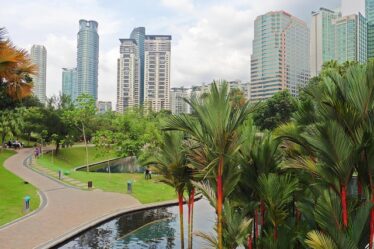
We personally arrived in Vietnam from Malaysia, as we had visited the country first in December 2025. The flight is only about 3.5 hours, so it was a great opportunity to combine two countries in one trip.
If traveling from Europe, we would consider flying via Turkey, as there are direct flights from there to Hanoi.
When is the best time to visit Vietnam?
Vietnam is a long country with varying climates from north to south, so there’s no single “perfect” time to visit. Generally, the best months are from November to April, when the weather is drier and temperatures are milder. In northern Vietnam (Hanoi, Sapa, Ha Long Bay), winter months can be cool and foggy, while summer is hot and humid with frequent rain. In central Vietnam (Hoi An, Da Nang, Hue), the rainy season peaks from September to November. In southern Vietnam (Ho Chi Minh City, Mekong Delta), the climate is tropical, with rain mainly from May to October, usually short but intense showers. If you want to explore as much of the country as possible with good weather conditions, spring (March–April) is your best bet.
How many days do you need in Vietnam?
An ideal trip to Vietnam lasts 10 to 15 days, allowing you to explore the north, center, and south without rushing. If you have less time, it’s worth focusing on one region. With more than two weeks, you can travel more slowly and even include less touristy destinations.
Our Travel Itinerary
During our trip to Vietnam, we chose to explore three regions, each offering a completely different perspective of the country.
The Capital – Hanoi
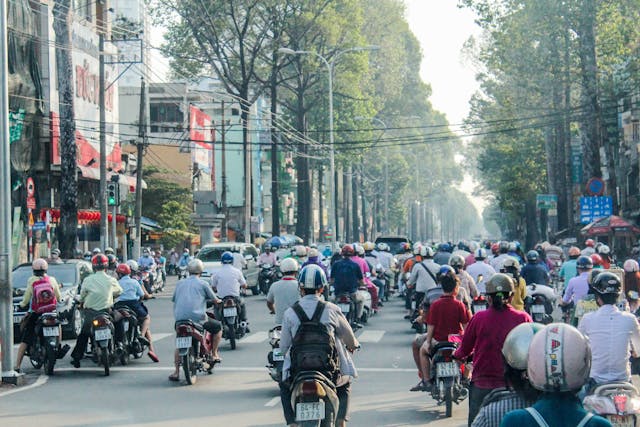
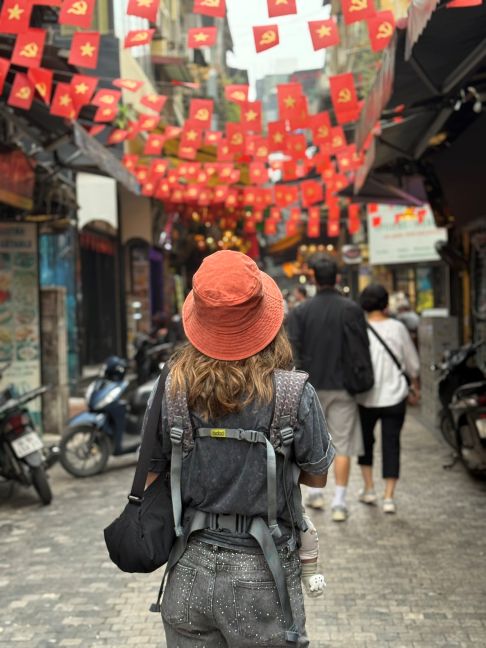
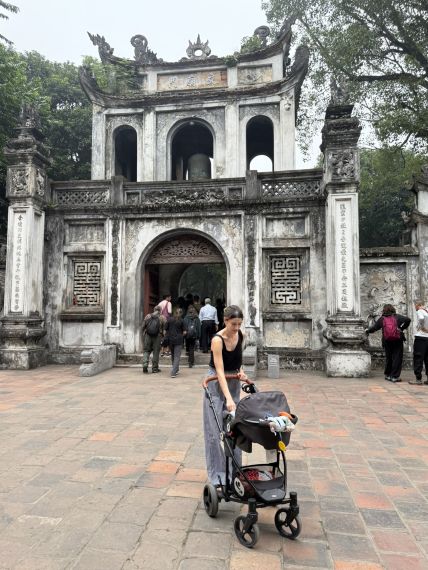
We started in chaotic yet fascinating Hanoi, where we stayed for five nights. The capital captivates you with its vibrant energy, endless motorbikes, authentic street food on every corner, and countless shopping options. From the very first moment, you feel like you’ve stepped into a completely different world. Despite the initial culture shock, there’s something magnetic about the city that makes you want to experience it fully.
The Countryside – Ninh Binh
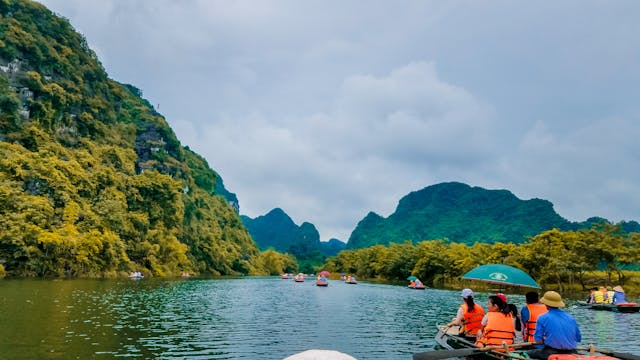
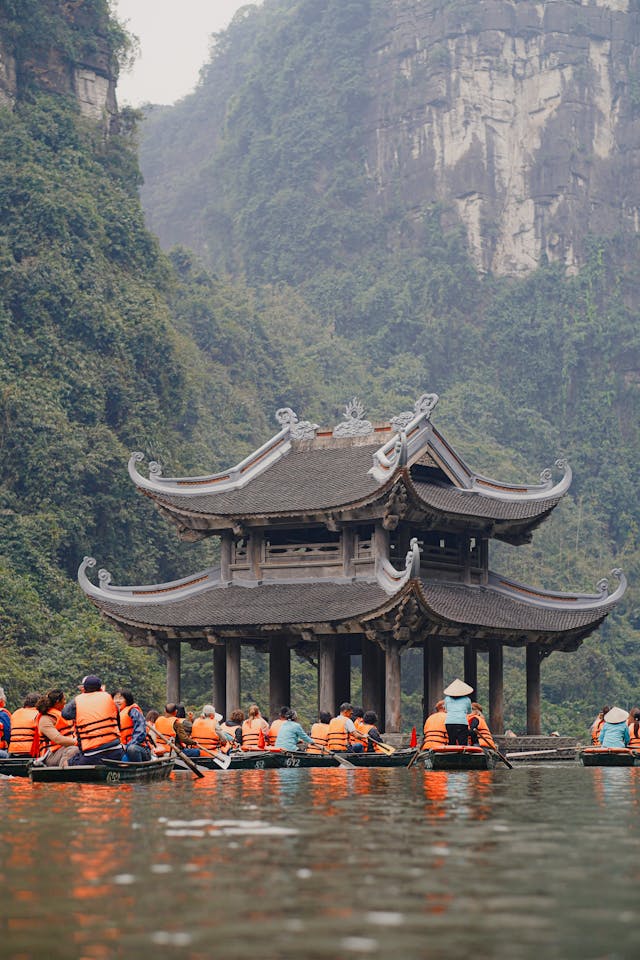
Our second stop was the magical Ninh Binh and the contrast couldn’t have been greater. From the noise of the city, we suddenly found ourselves in total serenity, surrounded by lush landscapes and dramatic limestone formations. Ninh Binh is one of the most impressive natural areas in the country. The river routes winding through limestone cliffs create a landscape often described as “Halong Bay on land.”
We actually skipped Halong Bay itself, as we wanted to avoid overly touristy spots. The boat ride through rivers and caves was one of the most unique experiences of our trip almost surreal.
The Ancient Town – Hoi An
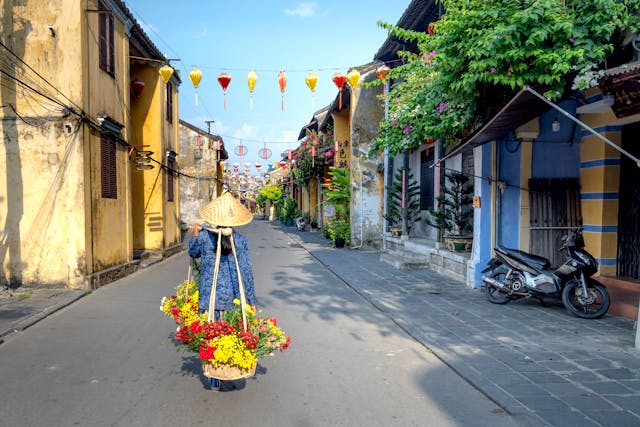
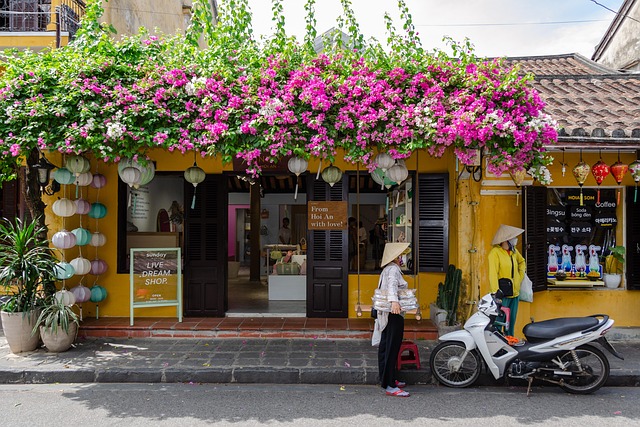
Our journey ended in the fairytale like Hoi An, one of the most beautiful and picturesque towns in Southeast Asia, where we stayed for four nights to fully enjoy it. With its colorful lanterns, narrow streets, and unique atmosphere, it’s the perfect place to relax and experience a slower, more romantic side of Vietnam. It’s one of those places you never want to leave and definitely one of the most beautiful we saw.
How much did our trip to Vietnam cost?
Vietnam is generally one of the most affordable destinations we’ve visited, especially considering what it offers. The biggest expense is usually flights. Since we flew from Malaysia, our costs were much lower, but from Europe you can typically find round-trip flights for around €700–€900 with some flexibility.
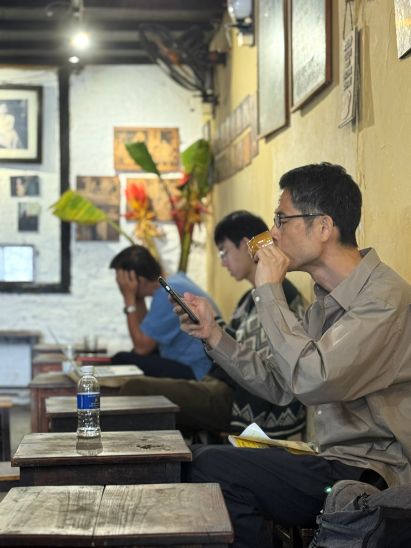
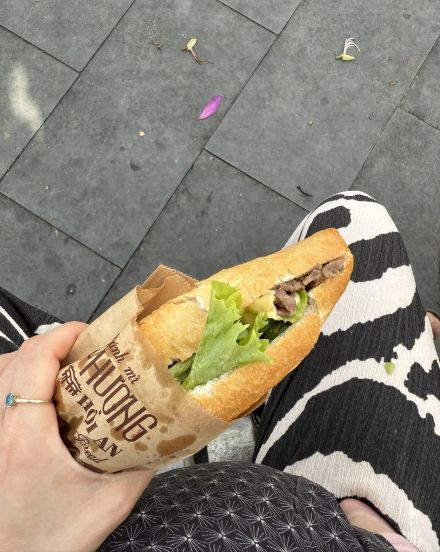
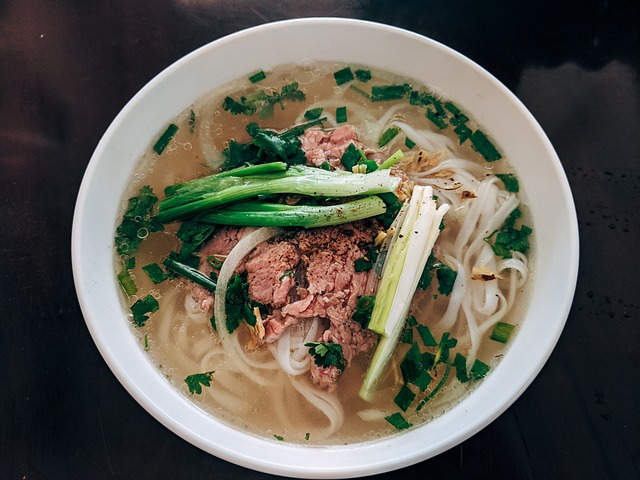
Once there, expenses are very low. We paid around €25–€50 per night for entire apartments in central locations, though cheaper options are available for budget travelers. Food was truly a highlight—delicious and incredibly cheap. Street food cost around €1–€3, while restaurant meals were about €5–€10. We tried the famous Vietnamese sandwich banh mi for €1.50, enjoyed delicious duck with mashed potatoes for just €7 in a restaurant, and had the iconic Pho soup multiple times.

Activities (boat rides, entrance fees, etc.) cost around €10–€20 per day, and transportation within the country is also very affordable, whether by bus or domestic flights. We booked a last-minute internal flight from Hanoi to Hoi An and back for €100 per person, including checked luggage and carry-on. Traveling light, you can find return flights for as low as $50.
Overall, a comfortable daily budget is around €50 per person without missing out on anything. For a 10–12 day trip, expect a total cost of approximately €1,500–€1,900 including flights and honestly, it’s worth every euro. This estimate doesn’t include personal shopping, which you will definitely do, but even that is very affordable compared to Europe.
Vietnam is one of those destinations that can’t easily be described you have to experience it. It’s chaotic yet magical, intense yet peaceful, affordable yet filled with priceless experiences. If you’re looking for a destination that will take you out of your comfort zone and stay with you forever, Vietnam definitely deserves a spot on your list.