
Lisbon is one of those cities that is hard to describe with just one word. It’s a city that wins you over from the very first moment: colorful buildings, cobblestone streets, old trams climbing up and down the hills, and breathtaking views over the Tagus River.
If you’re wondering whether Lisbon is worth visiting, the answer is yes, but with one small note: it’s a city that needs time to be truly appreciated. The best thing you can do is simply walk around without a strict plan and get lost in the neighborhoods of the Portuguese capital. If you’re traveling with a child and a stroller, though, it does require a little extra planning.
In this article, you’ll find what is truly worth seeing in five days, along with useful things to know before traveling to the Portuguese capital.
How Many Days We Stayed in Lisbon
We flew directly from Athens to Lisbon in February, which turned out to be the perfect time to experience the city without the crowds and intensity of high season. We chose to stay for five days, mainly because of our little one, so we could keep a slower pace and avoid the stress of trying to “see everything.” In the end, that decision made all the difference.
Where We Chose to Stay
We stayed in the Anjos neighborhood, a more budget-friendly option compared to the historic center, but one that worked perfectly for us. It’s a multicultural, less touristy area with very good metro connections to the city center. In just three metro stops, you’re at Rossio Station. The accommodation we chose was the beautifully designed and exceptionally organized Numa Lisbon Anjos apartments, honestly one of the best choices we could have made. Modern rooms, fully equipped kitchens, and private bathrooms made our stay extremely comfortable.
What to See in Lisbon
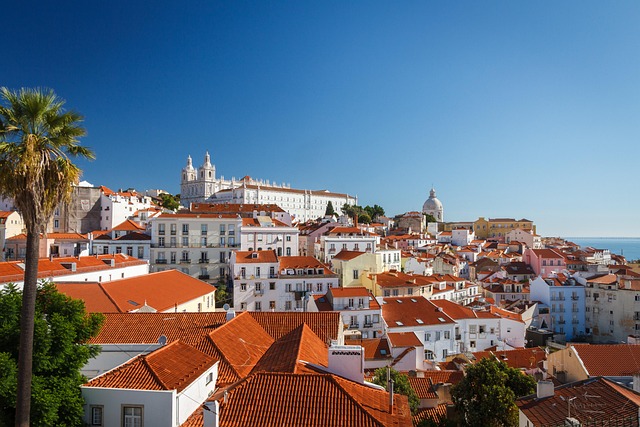
Lisbon is a city that captures your attention instantly. The pastel-colored buildings, cobblestone streets, and views over the Tagus River create an atmosphere that feels almost cinematic.
Good to know: Lisbon can also be quite demanding in everyday movement, especially if you’re traveling with a stroller. The constant hills, narrow sidewalks, and uneven streets make getting around challenging, while the metro system is not fully accessible, as many stations don’t have elevators or even escalators. In several situations, we had to carry the stroller ourselves, which definitely affected the pace of the trip.
The Old Town
Lisbon’s old town, with Alfama being its most iconic neighborhood, is built across the city’s famous seven hills, which explains the steep alleys and incredible viewpoints at almost every turn.
Walking around Alfama is one of the most authentic experiences in Lisbon. You get lost among the narrow streets and discover hidden corners with views that literally make you stop in the middle of the road. At places like Miradouro da Senhora do Monte, Lisbon stretches out before your eyes and you immediately understand why it’s considered one of the most beautiful capitals in Europe.
From Tuesday to Saturday, between 9:00 AM and 5:00 PM, you can also visit the open-air flea market Feira da Ladra at Campo de Santa Clara. We can’t say it’s something extraordinary, but it’s worth browsing through the antiques if you happen to be nearby.
One of the city’s most iconic experiences is the famous Tram 28, which passes through Alfama and gives you the chance to see the neighborhood in a wonderfully scenic way. With a stroller, it proved a bit difficult because of the limited space and crowds, but it was still worth the effort.

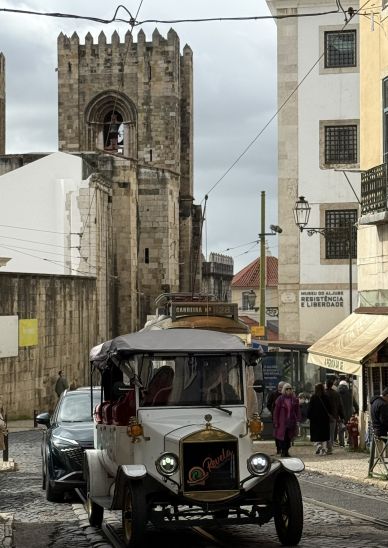
At the top of the hill stands São Jorge Castle, a historic castle offering panoramic views over the entire city. Nearby, you’ll also find Lisbon Cathedral, one of the city’s oldest and most important landmarks.
The area is full of small traditional restaurants and taverns where you can try Portuguese specialties like bacalhau (salt cod) while listening to live Fado music, which is deeply connected to the soul of Alfama.
The City Center
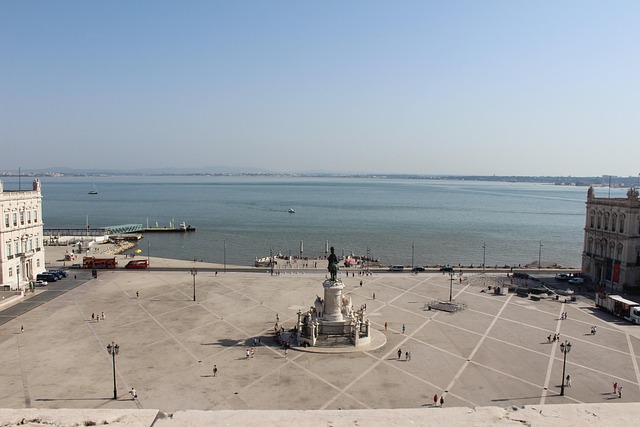
The city center, especially the Baixa and Chiado districts, is much easier for walking and perfect for relaxed strolls. This is where you’ll find Praça do Comércio, one of the city’s most impressive squares, located right by the river.
Walk along Rua Augusta, the main shopping street connecting Praça do Comércio with Rossio Square. Try pastel de nata at Manteigaria, taste codfish croquettes and local wine at Casa Portuguesa do Pastel de Bacalhau, and finish your walk at Manteigaria Silva for cheese and charcuterie boards paired with excellent Portuguese wines.
The Belém Area
It’s also worth dedicating some time to Belém, located slightly outside the center along the river and very easy to reach by public transport. The atmosphere there feels completely different from the rest of the city more open, flatter, and much easier to navigate with a stroller.
Some of Lisbon’s most important landmarks are located in Belém, including the iconic Belém Tower, standing beautifully beside the water, and the impressive Jerónimos Monastery with its stunning architecture. Nearby, you’ll also find Padrão dos Descobrimentos, the Monument to the Discoveries, dedicated to Portugal’s great age of exploration. Overall, Belém combines history, spacious walking areas, and a more relaxed atmosphere.
While you’re there, you absolutely have to try pastel de nata at Pastéis de Belém. Many say they are the best in Lisbon. On your way back from Belém, it’s worth stopping at Time Out Market Lisboa, a modern food market where you can try many different flavors all in one place.
Where to eat in Lisbon
Lisbon is also a destination that completely wins you over gastronomically. From street food to more refined restaurants, we tried several places and these are the ones that stood out the most.
For Pastel de Nata * A must!
The most famous ones can be found at Pastéis de Belém in Belém. Yes, there’s usually a queue, but the experience is worth it, especially if you sit inside. On the other hand, Manteigaria in the city center impressed us just as much, maybe even slightly more, thanks to its crispier pastry and warm pastries straight from the oven.


Traditional Portuguese Flavors
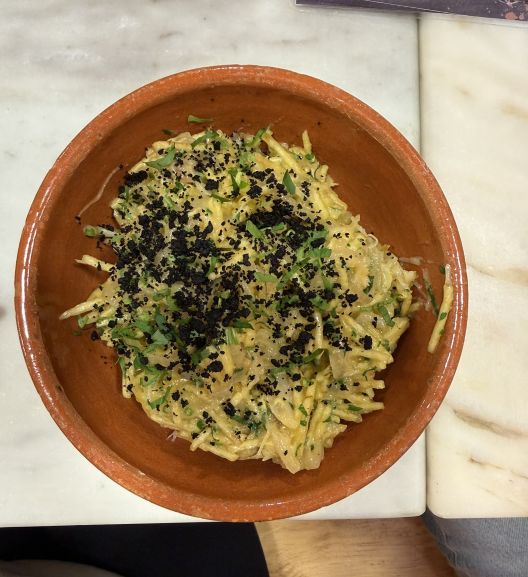
For something more local, we tried the famous codfish croquettes at Casa Portuguesa do Pastel de Bacalhau. It’s one of the city’s most touristy spots, but still worth trying at least once. At Sant’Avo, O Velho Eurico and Taberna Sal Grosso we tasted some of the best-known dishes of Portuguese cuisine. Make sure to book online in advance, as getting a table without a reservation can be difficult.
One of the traditional dishes we tried during our stay was Bacalhau à Brás, one of the most famous Portuguese recipes. You definitely need to enjoy fish to truly appreciate it. The dish combines salted cod, finely chopped onions, matchstick fries, and scrambled eggs into a creamy and comforting meal.
For Cheese Boards & Wine
One of our favorite stops was Manteigaria Silva, near Rossio Square, where we enjoyed excellent cheeses, cured meats, and local wines. It’s the perfect place for a relaxing midday break.
For Many Options in One Place
Time Out Market Lisboa is a great option if you want to try different cuisines in one location. You’ll find everything from traditional dishes to more modern flavors. It’s definitely touristy and often crowded, but still a good choice, especially if you’re traveling with friends and everyone wants something different.
Fado Performance
At some point between all the walks and scenic viewpoints, it’s absolutely worth dedicating one evening to experiencing a live Fado performance. It’s one of those experiences that words can hardly describe. We chose a small venue in Alfama without many expectations, and it ended up becoming one of the most emotional moments of the trip. No microphones, no exaggeration, just a voice and a guitar filling the room. Even if you don’t understand the lyrics, you still feel the emotion. If you decide to include a Fado night in your itinerary, choose a smaller and more authentic venue instead of the large tourist shows. It’s an experience that perfectly matches the soul of Lisbon and allows you to connect with the city on a deeper level.
Day Trip to Sintra
If you have enough time, it’s definitely worth dedicating one day to visiting magical Sintra, located just 40 minutes from Lisbon. It’s a completely different destination, full of greenery, impressive palaces, and an almost fairy-tale atmosphere.
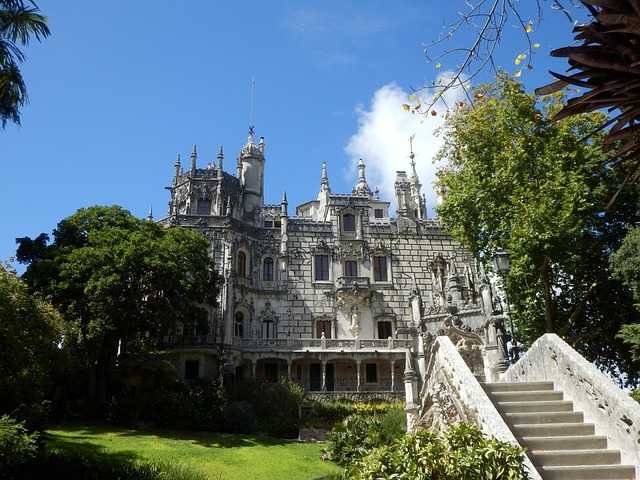
For a detailed guide with attractions, tips, and recommendations, check out our full article about Sintra.
In the end, Lisbon is all about wandering through Alfama without a plan, stopping unexpectedly for breathtaking views and realizing that you don’t need to rush to experience the city properly. It’s a place that teaches you to slow down your pace. Maybe that’s the real reason you want to return, not because you didn’t have enough time to see it, but because you want to experience it all over again, more consciously and more slowly.
You can see more from our trip to Lisbon, Portugal, in our Instagram highlight stories #Lisbon.